Chapter 11 · concept 3 of 6 · show all
2Tokens, cost and your first RAG
4Chunking
- 4.1Why we chunk, and the main chunking strategies
- 4.2Structure aware chunking and tables
- 4.3Chunk size, overlap and token based sizing
- 4.4Contextual chunking and late chunking
- 4.5Parent child and multi representation indexing
- 4.6Chunk metadata, provenance and the chunking debugging playbook
- Chapter overview
7Finding the right chunks
8When retrieval fails
Index lifecycle operations
An index is not built once. New documents, deletes, permission changes, new chunking and new models all change it. Build versioned indexes, gate them on the golden set, swap by alias, keep a rollback.
A real question
The index works today. What happens next month?
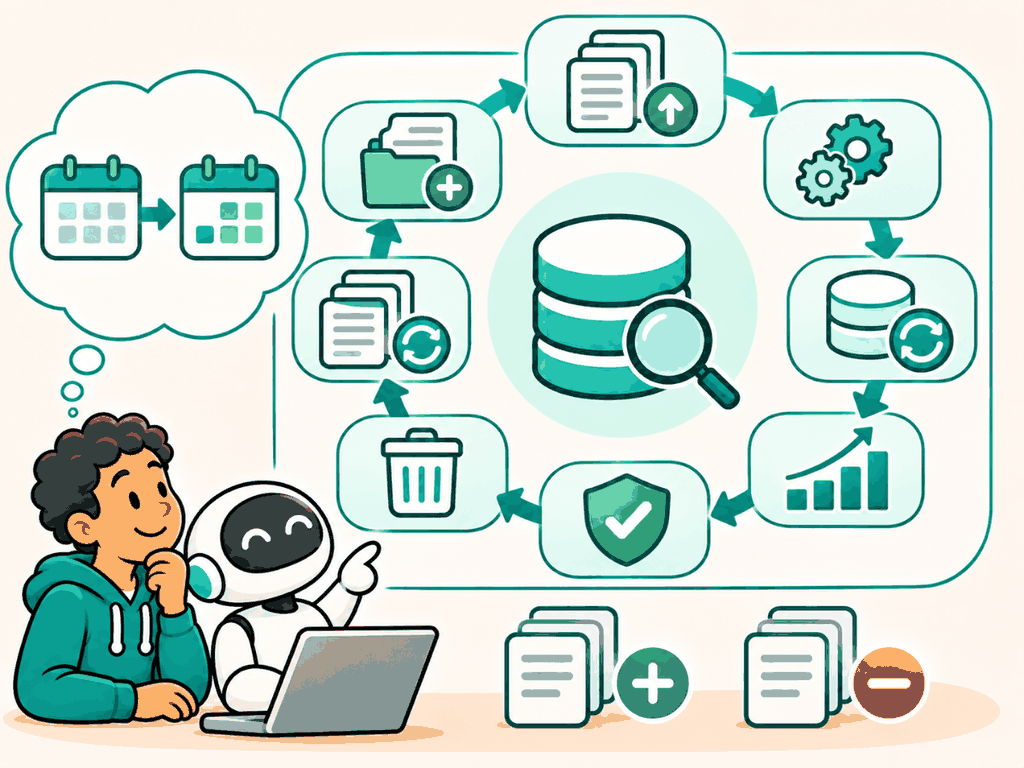
Documents are added, edited and deleted, permissions change, and you will want new chunking or a new model. Each is an index operation. Treat the index like a release: versioned, tested, swapped, and reversible.
The problem
Why this matters
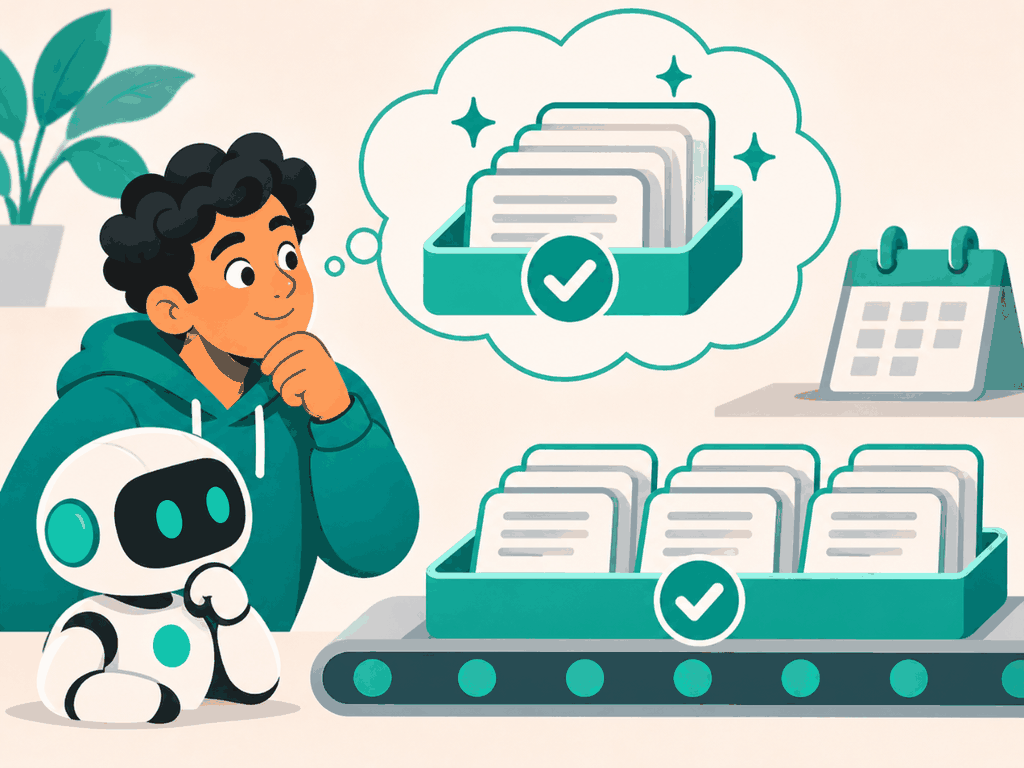
Build the index once and it stays correct.
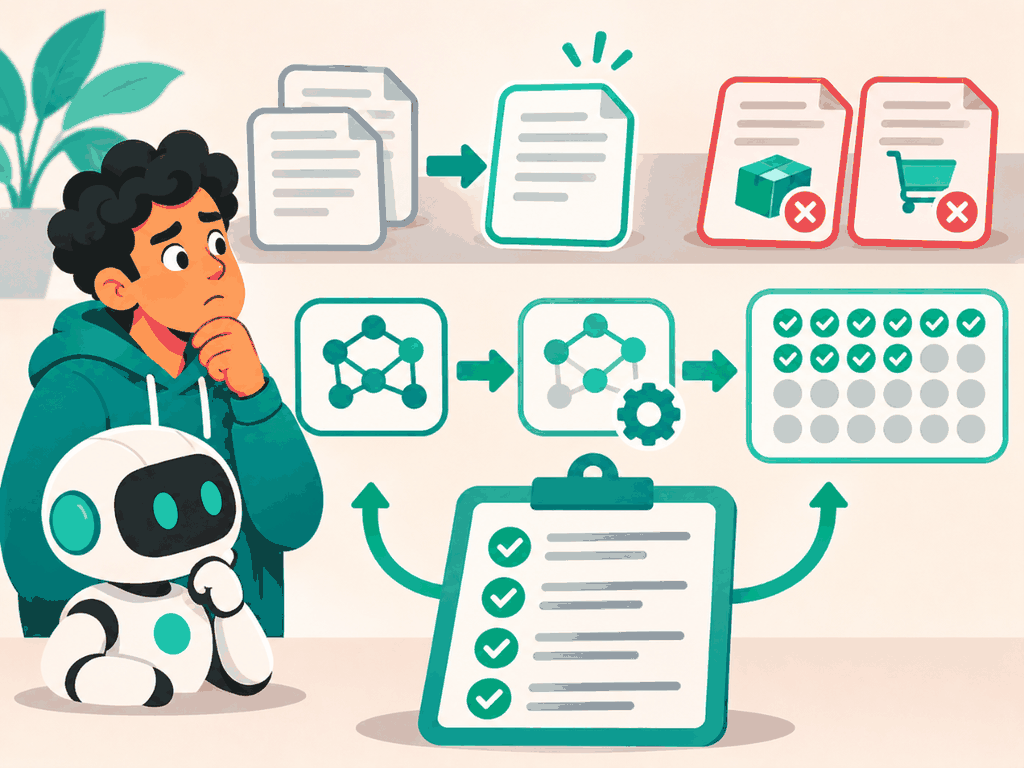
In RAG-12, updating one tariff sheet left 2 orphan chunks, including a plan that was no longer for sale. In RAG-25, a half-done model change dropped recall from 44 to 27 of 47. Indexes go wrong quietly unless every change goes through a process.
Why not the simpler way
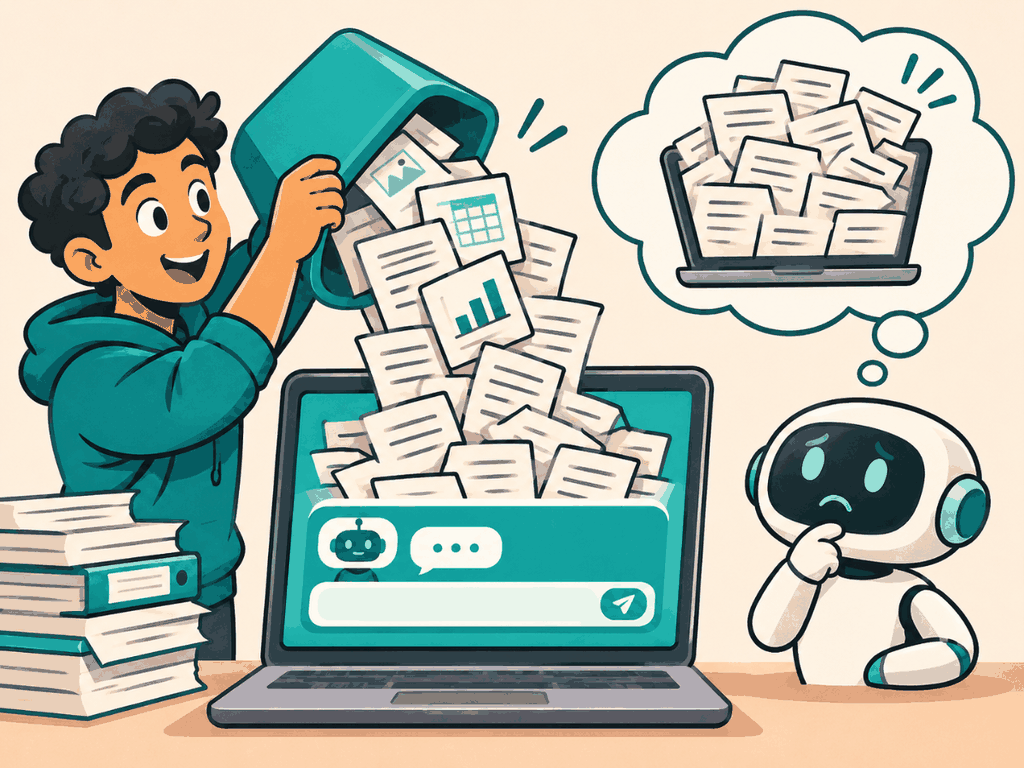
Most RAG incidents in production are not model failures. They are stale chunks after an update, documents that were deleted at the source but not in the index, permissions that changed without a re-sync, or a model upgrade done halfway. All of these are lifecycle problems.
The idea
The idea in plain words
The index lifecycle covers how indexes are built, updated, tested, promoted and retired. Incremental updates handle document changes. Full rebuilds handle chunking and model changes. Blue-green swaps make promotion and rollback instant.
A shop restocks shelves every day, but a new store layout is set up overnight and checked before the doors open.
How it works
Step by step
 1
Build a versioned index
Each build has an id and a manifest: corpus snapshot, chunking settings, embedding model, build date.
- 2
Gate on the golden set
Run retrieval checks against the new build. No question that passed may fail without an explicit decision (RAG-44).
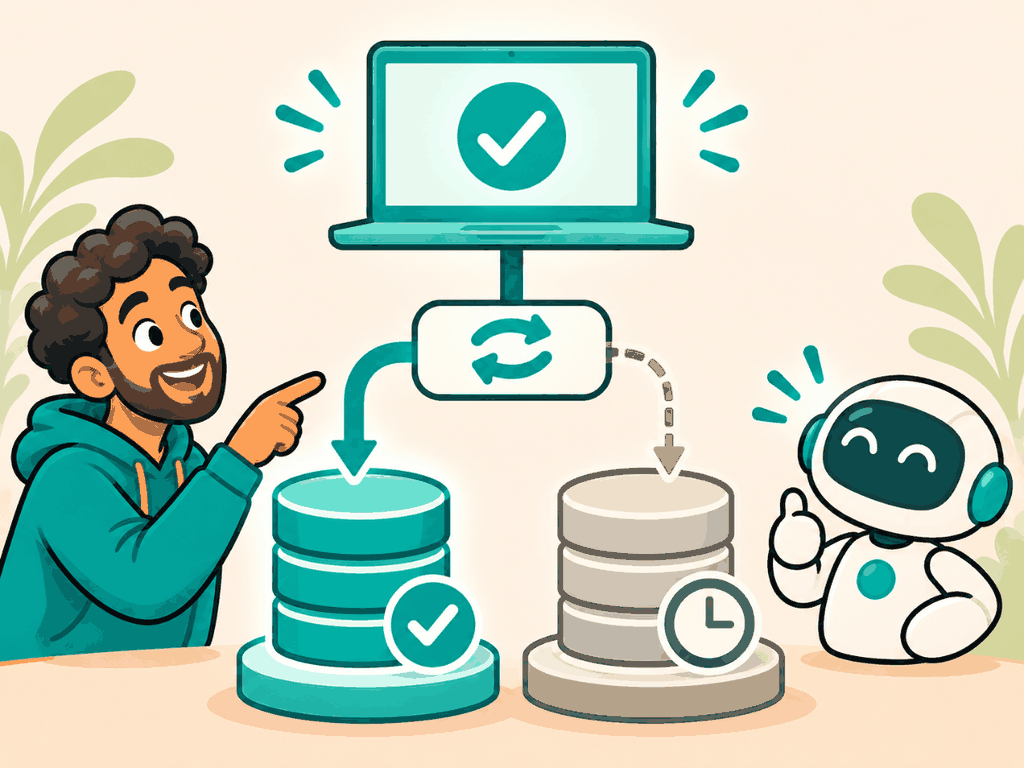 3
Swap and keep
Point the live alias at the new build. Keep the previous one until the new one has served real traffic.
In detail
Manifest. { build_id, corpus_snapshot, chunker, chunk_size, embed_model, prefix, created_at, golden_result }, stored with the index.
Incremental path. Change events from the source (or a nightly diff) → re-parse → re-chunk → hash compare → embed new chunks, delete removed ones, update metadata for permission changes (RAG-12, RAG-46).
Full path. New build in parallel, golden gate, alias swap, old build kept N days.
Housekeeping. Remove chunks whose documents no longer exist; expire caches by document id (RAG-30); alert when the corpus size jumps or drops unexpectedly.
The code
Try it in Python
import json, time

def build(corpus, chunker, model, golden, baseline):
    manifest = {"build_id": f"idx-{int(time.time())}", "chunker": chunker.name,
                "embed_model": model.name, "docs": {d.id: d.hash for d in corpus}}
    index = make_index(corpus, chunker, model)
    result = run_golden(index, golden)
    broke = [q for q, ok in baseline.items() if ok and not result[q]]
    if broke:
        raise SystemExit(f"{manifest['build_id']} blocked, broke {broke}")
    manifest["golden"] = sum(result.values())
    save(index, manifest)
    set_alias("live", manifest["build_id"])     # the old build stays for rollback
See it
What we measured
Measured · index builds and updates on the lab corpus
Polder corpus, 34 recursive 512 token chunks, bge-small q8 on a laptop CPU. Update numbers from RAG-12, migration from RAG-25.
Measured 2026-11-04 with corpus/scripts/measure-part-8.mts; earlier numbers measured 2026-11-03 and 2026-11-04.
Try it on a real example
Three changes, and what each one requires
Incremental
Cheap, but deletes are where it goes wrong: our tariff update left 2 orphans without them (RAG-12).
Choosing
Use it when, avoid it when
- Versioned builds with manifests
- Golden-set gates and alias swaps
- Incremental updates with deletes for document edits
- Rebuilding the live index in place
- Updates that add chunks but never delete
What it costs · Storage for two indexes during a swap, and a golden run per build.
In production
Measure build time and cost per chunk, so you know when a full rebuild stops being cheap. Track freshness: the time from a source edit to the index reflecting it. Run a daily consistency check: every indexed document still exists at the source with the same hash and permissions.
Watch out
Common mistakes
- Indexes only grow. Deletes and permission changes matter as much as additions.
- Incremental is always better. For small corpora a full rebuild is simpler and safer.
- A successful build is a good build. Only the golden gate says that.
Check yourself
Remember this
Remember these
- Every corpus, chunking or model change is an index operation.
- Version builds with a manifest of what went into them.
- Gate each build on the golden set; swap by alias.
- Deletes and permission changes must reach the index too.
Say it in an interview
- 01I treat the index as a build artifact: versioned, gated, swapped by alias, with rollback.
- 02Document edits go incremental with hash diffs and deletes; chunking and model changes rebuild fully.
- 03On my corpus a full rebuild takes under a second, so I rebuild fully; at scale I would plan it.
- 04Each build stores a manifest of corpus, chunker and model.
- 05A daily check confirms every indexed document still exists with the same hash and permissions.
Quick quiz